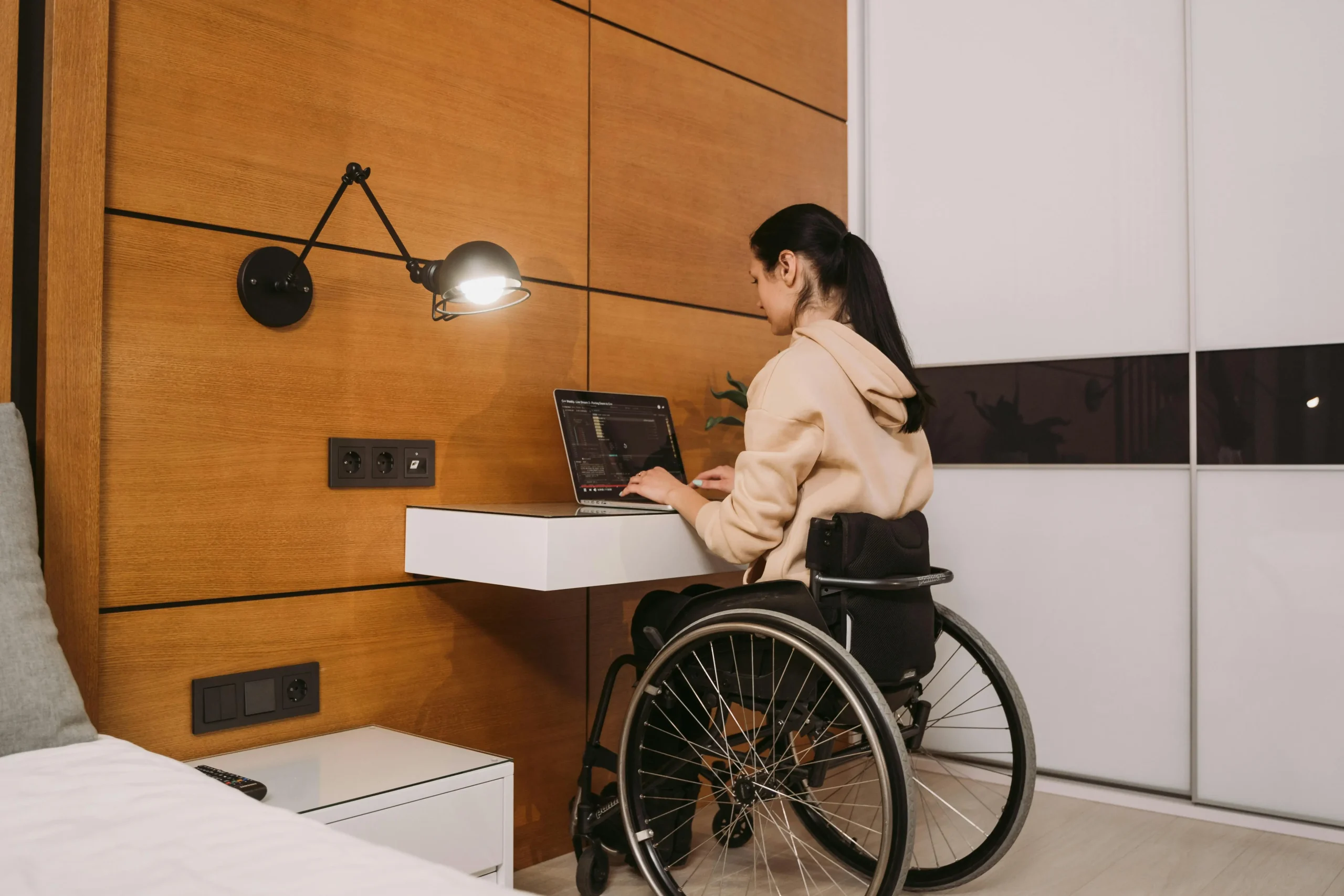

Finding top talent in today’s competitive job market can feel like searching for a needle in a haystack. But what if the solution lies in a simple yet often overlooked concept: accessibility? Accessible employment is not just a moral imperative; it’s a powerful strategy for solving the talent shortage and unlocking untapped potential.
Understanding Accessible Employment
What Is Accessible Employment?
Accessible employment refers to creating an environment where individuals of all abilities can thrive. This includes removing physical, digital, and procedural barriers in the workplace. It’s about leveling the playing field and ensuring everyone has an equal opportunity to contribute.
Why Does Accessible Employment Matter?
Accessible employment isn’t just about compliance or ticking boxes. It drives innovation, enhances workplace diversity, and reflects a commitment to social responsibility. Companies that embrace accessibility often find they outperform their peers in both employee satisfaction and profitability.
The Talent Shortage Problem
Why Companies Struggle to Find Top Talent Accessible Employment
Traditional hiring practices often favor the majority, overlooking vast pools of talented individuals who don’t fit the mold. This results in a narrowing talent pool and makes it harder for companies to find the right fit.
Overlooked Talent: Individuals with Disabilities
Globally, people with disabilities face an unemployment rate nearly double that of non-disabled individuals. This statistic highlights an enormous, underutilized talent pool filled with skilled, motivated professionals ready to contribute.
“Diversity is being invited to the party; inclusion is being asked to dance.” – Verna Myers
Benefits of Accessible Employment
Expanding Your Talent Pool
When businesses embrace accessibility, they open their doors to a broader range of candidates. This diversity leads to fresh perspectives and innovative solutions.
Boosting Employee Morale and Retention Accessible Employment
An inclusive workplace fosters loyalty and happiness among employees. When workers feel valued and supported, they’re more likely to stay and excel.
Enhancing Company Reputation
Accessibility isn’t just good ethics; it’s good branding. Companies known for their inclusive practices attract both top talent and loyal customers.
Implementing Accessible Employment in Hiring
Evaluating Your Current Hiring Practices
Start by assessing your hiring process for biases. Are job descriptions inclusive? Is your interview process accommodating? Small changes can make a big difference.
Leveraging Assistive Technologies
From screen readers to voice recognition software, technology plays a vital role in making workplaces accessible. Many companies have seen remarkable success by integrating these tools.
Writing Inclusive Job Descriptions Accessible Employment
Avoid jargon and focus on essential skills. Use language that encourages diverse candidates to apply. For example, replace “fast-paced” with “adaptable to change.”
Building an Inclusive Workplace Culture
Educating Your Workforce
Inclusion begins with awareness. Conduct workshops to educate employees about the value of diversity and how they can contribute to an inclusive culture.
Designing Accessible Employment Workspaces
Accessibility goes beyond ramps and elevators. Ensure digital platforms, workstations, and communication methods are universally accessible.
Success Stories in Accessible Employment
Companies Leading the Way
Organizations like Microsoft and Starbucks have reaped the benefits of accessible employment by making inclusivity a core value.
Transformative Employee Stories
Employees hired through accessible practices often become some of the most loyal and innovative members of a team, proving the value of investing in inclusivity.
Addressing Challenges in Accessibility
Common Barriers and How to Overcome Them
Resistance to change and cost concerns are common obstacles. However, many accessibility improvements are low-cost or even free, with high returns on investment.
Government and Legal Support
Take advantage of tax incentives and grants designed to help businesses adopt accessible practices. Familiarize yourself with local accessibility laws to ensure compliance.
Measuring the Impact of Accessible Employment
Key Metrics to Track
Track employee satisfaction, retention rates, and productivity to gauge the success of your accessibility initiatives.
Long-Term Business Growth
Inclusive hiring practices can boost innovation, improve brand loyalty, and drive long-term growth.
Conclusion
Accessible employment isn’t just the right thing to do; it’s the smart thing to do. By embracing inclusivity, businesses can tap into a vast pool of talent, foster a positive workplace culture, and set themselves apart in a competitive market. The time to act is now.
FAQs
- What is accessible employment? Accessible employment ensures that workplaces accommodate individuals of all abilities.
- How does accessibility improve hiring outcomes? It broadens the talent pool and fosters innovation through diversity.
- Are accessible workplaces expensive to implement? Many changes are low-cost and yield significant returns on investment.
- What assistive technologies are available? Examples include screen readers, voice recognition software, and adaptive keyboards.
- How can I make my hiring process more inclusive? Use accessible language and remove unnecessary barriers in job descriptions.
- What are the legal requirements for workplace accessibility? These vary by region but often include provisions for physical and digital access